


Shaping a Sustainable Future Together
In today’s rapidly changing world, shaping a sustainable future is more important than ever. Our actions today will determine the quality of life for generations to come. To create lasting positive change, we need to adopt effective future planning strategies that focus on sustainability, community involvement, and innovation. This article explores practical ways to plan for a sustainable future, offering insights and actionable steps to help individuals and communities contribute meaningfully.
Understanding Future Planning Strategies for Sustainability
Future planning strategies are essential tools that help us anticipate challenges and opportunities ahead. When applied to sustainability, these strategies guide us in making decisions that protect the environment, promote social equity, and support economic growth.
Key elements of future planning strategies include:
Long-term vision: Setting clear goals for where we want to be in 10, 20, or 50 years.
Risk assessment: Identifying potential environmental, social, and economic risks.
Resource management: Using natural and human resources efficiently and responsibly.
Community engagement: Involving diverse groups in decision-making processes.
Innovation and adaptation: Embracing new technologies and flexible approaches.
For example, cities adopting green infrastructure plans are investing in parks, green roofs, and sustainable transport to reduce carbon footprints and improve residents’ quality of life. These strategies not only address climate change but also create healthier urban environments.

Practical Steps to Implement Future Planning Strategies
Implementing future planning strategies requires a combination of knowledge, collaboration, and commitment. Here are some practical steps to get started:
Educate Yourself and Others: Learn about sustainability challenges and solutions. Share this knowledge with your community.
Set Measurable Goals: Define specific, achievable targets such as reducing waste by 30% in five years or increasing renewable energy use.
Create Action Plans: Break down goals into smaller tasks with timelines and responsible parties.
Monitor Progress: Regularly review outcomes and adjust plans as needed.
Foster Partnerships: Collaborate with local governments, businesses, and non-profits to pool resources and expertise.
For instance, a community might launch a recycling program combined with educational workshops to increase participation and reduce landfill waste. Tracking participation rates and waste reduction helps refine the program over time.
Why am I unable to think about the future?
Many people find it difficult to think about the future due to various psychological and social factors. Understanding these barriers is crucial for effective future planning.
Uncertainty and anxiety: The future can seem unpredictable and overwhelming, causing avoidance.
Immediate concerns: Daily challenges often take priority over long-term planning.
Lack of information: Without clear data or examples, imagining future scenarios is hard.
Cognitive biases: Humans tend to focus on short-term rewards rather than long-term benefits.
To overcome these obstacles, try these techniques:
Visualisation exercises: Imagine positive future outcomes to build motivation.
Break down goals: Focus on small, manageable steps instead of distant, abstract ideas.
Seek support: Join groups or forums that encourage future-oriented thinking.
Use tools: Planning apps and frameworks can simplify the process.
By addressing these challenges, individuals and communities can better engage in shaping a sustainable future.
The Role of Technology and Innovation in Future Planning
Technology plays a pivotal role in enabling sustainable future planning. Innovations in renewable energy, smart cities, and data analytics provide new opportunities to reduce environmental impact and improve quality of life.
Examples include:
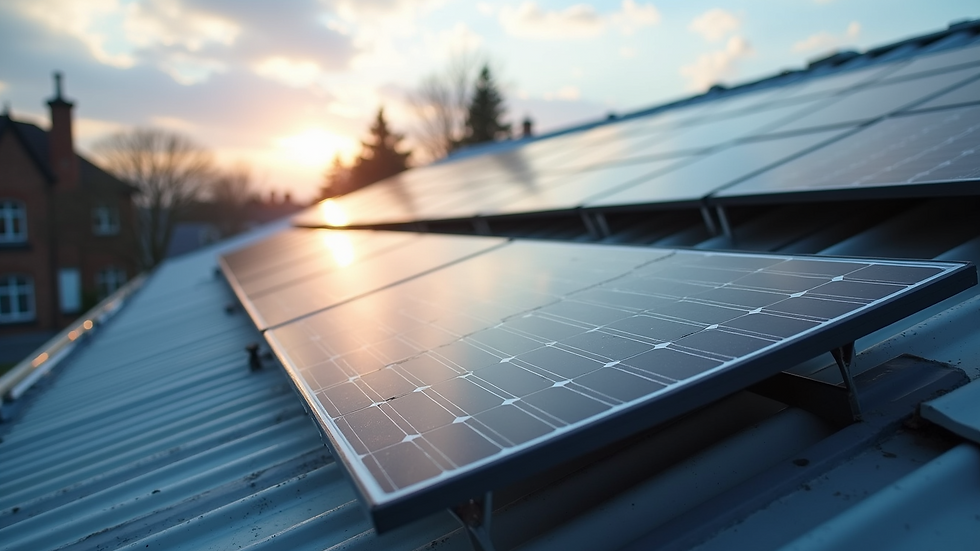
Solar and wind power: Affordable clean energy options reduce reliance on fossil fuels.
Smart grids: Efficient energy distribution systems that adapt to demand.
Electric vehicles: Lower emissions and improved urban air quality.
Data-driven decision making: Using sensors and AI to monitor environmental conditions and optimize resource use.
Communities adopting these technologies can create resilient systems that respond to changing conditions. For example, smart water management systems help conserve water during droughts by detecting leaks and adjusting usage automatically.
How to Engage Your Community in Sustainable Future Planning
Sustainability is a collective effort. Engaging your community ensures diverse perspectives and shared responsibility. Here are some effective ways to involve others:
Host workshops and forums: Create spaces for discussion and idea sharing.
Promote local sustainability projects: Encourage participation in tree planting, clean-ups, or energy-saving initiatives.
Use social media: Share success stories and tips to inspire action.
Partner with schools: Educate young people about sustainability and future planning.
Celebrate achievements: Recognise individuals and groups making a difference.
By fostering a culture of collaboration, communities can build momentum toward a sustainable future. Remember, every small action counts and can inspire others to join the cause.
Moving Forward with Purpose and Hope
Shaping a sustainable future requires intentional planning, innovation, and community engagement. By adopting future planning strategies, overcoming mental barriers, leveraging technology, and working together, we can create a world that thrives for generations to come.
For those seeking guidance and inspiration, resources like withourfutureinmind offer valuable tools and insights to support your journey.
Together, we can build a future that balances environmental health, social well-being, and economic prosperity. The time to act is now - every step forward brings us closer to a sustainable tomorrow.


Comments